Minecraft Glass Guide: Blocks, Panes, Stained and Tinted Glass Explained
Smelting sand into glass, blocks versus panes, stained and tinted glass, and the Silk Touch rule that catches every new builder out.
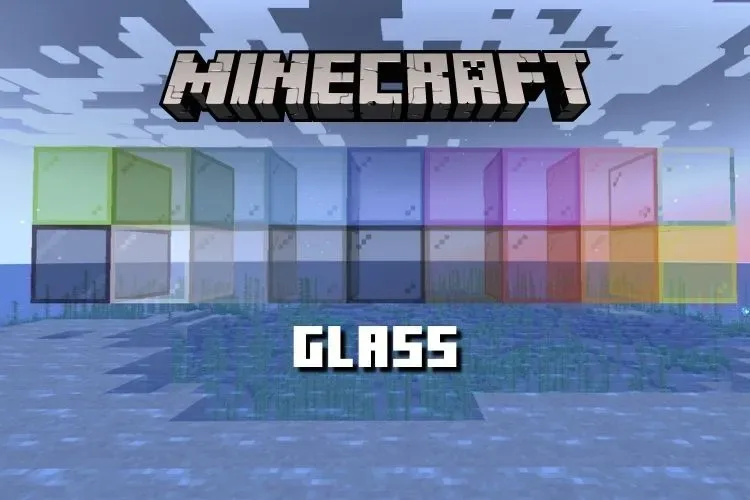
Smelting sand into glass, blocks versus panes, stained and tinted glass, and the Silk Touch rule that catches every new builder out.
Glass is one of Minecraft's strangest materials: trivially cheap to make, completely transparent, and so fragile that breaking it without the right enchantment means losing it forever. It is also what turns a torch-lit hole in a hillside into a home with a view. Everything starts with sand, a furnace, and a little patience.
How do you make glass?
Smelt sand in a furnace. Any sand works — ordinary sand or red sand from badlands both give you plain clear glass — and one sand block becomes one glass block. That simple ratio is why sand supply is the real planning question on big builds: a wall of glass eats a desert surprisingly quickly. Use a shovel on beaches and desert edges rather than tearing up your spawn area, and remember that sand obeys gravity, so dig it from the bottom of a column and the rest helpfully drops down to you.
What is the difference between glass blocks and glass panes?
Panes are the thin, flat version you see in village windows, and they are far more economical. Six glass blocks on a crafting table — two rows of three — produce sixteen panes. Because a pane sits in the centre of a block space and joins up neatly with its neighbours, a large window wall uses a fraction of the glass in pane form. The catch is that panes look thin and modern while full blocks read as chunkier and more substantial; many builders mix them, blocks for aquariums and floors, panes for ordinary windows.
How does stained glass work?
Put eight glass blocks in a ring on the crafting table with a dye in the middle and you get eight stained glass blocks in that colour — the same recipe works for panes using stained glass blocks. All sixteen dye colours are available, and stained glass tints the light passing through it visually, which makes it a favourite for beacon beams: a beam shining through stained glass takes on that colour, so churches, lighthouses and rainbow beacon displays are all built this way. Light itself passes happily through ordinary glass, so a glass roof keeps a room bright and safe at the same time.
Why does my glass disappear when I break it?
Because glass never drops itself. Break a glass block or pane with any ordinary tool and it shatters into nothing — the only way to get it back is a tool with the Silk Touch enchantment. This catches out almost every new player once, usually while rearranging one window and losing four. Plan window placement before you commit, keep a Silk Touch pickaxe or axe in your tool chest once you can enchant, and treat glass as a permanent decision unless you have plenty of sand to spare.
What is tinted glass?
Tinted glass is crafted from four amethyst shards around a glass block, and it behaves almost like glass's opposite: you can see through it, but light cannot pass through at all. That makes it genuinely useful, not just decorative — mob farms and spawning rooms can be walled with windows you can watch through without raising the light level inside, and it is popular for redstone rooms and dark, moody builds. Unlike ordinary glass, tinted glass does drop itself when broken, no Silk Touch needed, which makes it far more forgiving to build with.
How do you stockpile enough glass for a big build?
Think in trips, not blocks. A single inventory run to a desert with a decent shovel can fill your bags with sand, and a wall of furnaces back at base will smelt it while you do something else. If gathering is not your idea of fun, villagers offer a shortcut: cartographers buy glass panes, which at least turns your surplus into emeralds, and glass itself shows up in some librarian trades, so a good trading hall can top up a build without a single desert expedition.
Where else does glass show up?
Glass bottles are a separate craft — three glass blocks in a V shape make three bottles — and they are the container for all brewing, so keep a chest of blocks spare if you plan to brew. Daylight detectors also use glass in their recipe. Beacons, end crystals and item frames aside, most players' glass goes on buildings: greenhouses where crops sit safely under a transparent roof, underwater bases with viewing walls, and simple skylights. If you are constantly running short, the answer is almost never a better recipe — it is a dedicated sand-gathering trip with a good shovel and an empty inventory.
Frequently Asked Questions
How do I get glass back after placing it?
Only with a Silk Touch tool. Broken any other way, glass blocks and panes shatter and drop nothing. Tinted glass is the exception — it always drops itself when mined.
How many panes do I get from crafting glass panes?
Sixteen panes from six glass blocks, arranged as two rows of three on a crafting table. That makes panes far cheaper than full blocks for covering large window areas.
Does light pass through glass?
Yes, ordinary and stained glass let light through fully, so glass roofs and floors keep rooms lit and stop hostile mobs spawning. Tinted glass blocks light completely while staying see-through.
Can I make glass without a furnace?
No, smelting sand is the only way to produce glass blocks. You can occasionally find panes already placed in villages and other structures, but harvesting them still needs Silk Touch to keep them.