Honeycomb in Minecraft: How to Get It and What It Does
Shear it from a full hive, then use it to freeze copper at the perfect colour, lock your signs and craft bold decorative blocks. Honeycomb explained.
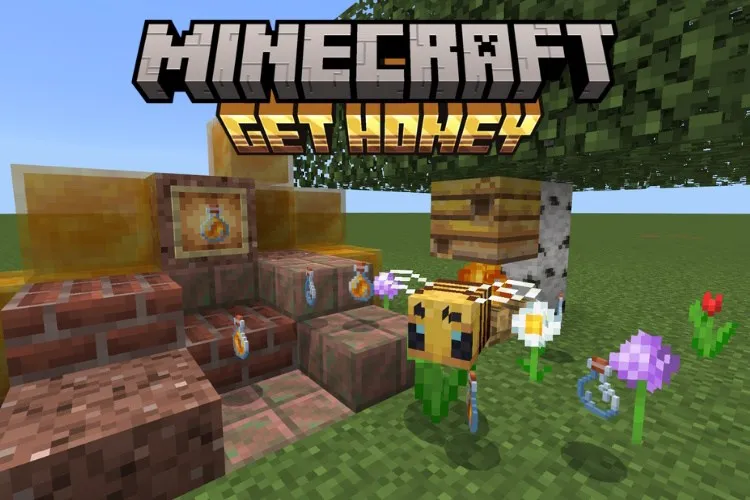
Shear it from a full hive, then use it to freeze copper at the perfect colour, lock your signs and craft bold decorative blocks. Honeycomb explained.
Honeycomb is the waxy item you scrape from a full bee nest or beehive with shears, and it has quietly become one of the most useful building materials in the game because it can wax copper to stop it oxidising, protect signs from being edited, and craft into decorative honeycomb blocks. One full hive usually gives you several pieces at a time, so a modest bee setup keeps you supplied.
How do you harvest honeycomb safely?
A nest or hive is ready when it reaches its full, dripping stage — you can see honey on the texture and the block looks heavy with it. Use shears on it and honeycomb pops out. The catch is that the bees inside object. Unless you calm them first, harvesting turns them hostile, and an angry bee that stings you soon dies, which slowly empties your hive.
The classic solution is a campfire placed directly underneath the hive, with the smoke rising into it. Smoke calms the bees, and you can shear away in peace. Hide the campfire under a carpet or in a small pit if you do not want it visible. Alternatively, work at night or in rain, when bees stay inside and are far less reactive — but the campfire method is the reliable one for a permanent apiary.
What does waxing copper actually do?
Copper blocks, stairs, slabs, doors and bulbs slowly change colour as they are exposed to the air, passing through several oxidised stages until they reach a weathered green. Combining a copper piece with honeycomb in crafting — or using the honeycomb on the placed block — waxes it. A waxed piece is frozen at whatever stage it is currently showing, so a bright orange roof stays orange and a half-turned wall keeps its mottled look forever.
You can also scrape wax off again with an axe, which lets the ageing resume, and scraping an oxidised block steps it back a stage. Between waxing and scraping, honeycomb gives you complete control over a copper palette, and large copper builds go through a lot of it. That alone justifies keeping bees in any world where you build with copper.
Can honeycomb protect your signs?
Yes. Using honeycomb on a placed sign waxes the sign, and a waxed sign can no longer be opened for editing. That sounds small, but on a multiplayer server it matters: your shop prices, labels and directions cannot be quietly rewritten by a passer-by. The text and any glow effect stay exactly as you left them. On your own world it is less critical, though it still prevents those accidental edits when you right-click a sign while holding the wrong thing.
What about honeycomb blocks?
Four pieces of honeycomb craft into a honeycomb block, a purely decorative block with a bold hex pattern. It is not the same as a honey block — the sticky, slow-falling block made from honey bottles — and confusing the two is common. Honeycomb blocks are for building: they make striking floors, market stalls, bee-keeping sheds and accent walls, and their strong pattern means a little goes a long way.
Because honeycomb itself is fully renewable, these blocks are cheap decoration once your apiary works. Shears do not even consume the hive; the bees simply refill it over time as they work flowers nearby, so keep flowers planted around your hives to speed the cycle up.
How do dispensers change honey farming?
Once your apiary grows beyond a couple of hives, automation is worth the redstone. A dispenser loaded with shears, pointed at a hive and fired when the hive is full, harvests honeycomb without you standing there, and hoppers underneath gather the pieces. The same dispenser trick with glass bottles collects honey instead. You still want the campfire underneath, because automation does nothing to calm bees that pour out of a disturbed hive.
A practical layout is a row of hives over hoppers, dispensers behind them, and a simple observer or clock circuit watching for the full stage. It is not the flashiest farm in the game, but it turns waxing a whole copper roof from an afternoon of bee-wrangling into a chest you check on your way past.
Is a bee farm worth setting up?
For most survival players, yes, and earlier than they expect. Bees ask for very little: a nest or crafted hive, flowers in range, and a campfire for safe harvesting. In return you get two products — honey bottles from using a bottle on a full hive, and honeycomb from using shears. Honey feeds you and clears poison; honeycomb runs your copper, signs and decoration.
Start with one hive near your base crops, where the bees will also pollinate your farming, and expand to a neat row once you are waxing copper in bulk. It is one of those small systems that, once running, quietly supports half a dozen other projects.
Frequently Asked Questions
How do you get honeycomb in Minecraft?
Use shears on a bee nest or beehive that has filled with honey. Placing a lit campfire beneath the hive first sends smoke up that calms the bees, so they will not attack you while you harvest.
What is honeycomb used for?
Mainly for waxing copper so it stops oxidising at its current colour, waxing signs so their text cannot be edited, and crafting decorative honeycomb blocks. Scraping waxed copper with an axe removes the wax again.
What is the difference between a honeycomb block and a honey block?
They are different blocks. A honeycomb block is decorative and crafted from four honeycomb. A honey block is sticky and slow to slide on, crafted from honey bottles. Only the honey block affects movement.
How can you stop bees attacking when you take honeycomb?
Put a campfire directly under the hive so smoke rises into it — the bees stay calm. Harvesting at night or during rain also helps, because the bees remain inside the hive then.