Minecraft Villages Explained: Jobs, Beds, Reputation and Raids
The mechanics behind a Minecraft village explained: how beds and job blocks shape the population, how reputation and trading prices work, and what raids and iron golems do.

The mechanics behind a Minecraft village explained: how beds and job blocks shape the population, how reputation and trading prices work, and what raids and iron golems do.
A Minecraft village is a small settlement of houses, job sites and farms inhabited by villagers — the game's traders, breeders and occasional raid targets. Understanding how a village ticks, from beds and job blocks to reputation and golem protection, turns a random cluster of huts into the most useful base of operations in survival mode.
What actually makes a settlement count as a village?
Under the hood, a village exists wherever at least one villager is linked to a bed. The village's boundary grows outwards from its claimed beds and workstations, and villagers treat everything inside that boundary as home. When night falls they hurry to their beds, and when the village bell rings they scatter indoors — behaviour that matters when you are trying to keep them alive.
Villages generate in several biomes, and each one dresses its buildings in matching materials: oak and cobblestone in the plains, sandstone in the desert, spruce in the taiga and acacia in the savanna. The layout is procedurally assembled from houses, animal pens, crop plots, wells and meeting points, so no two villages are quite alike, although the same building templates recur.
How do villager jobs and trading work?
An unemployed villager claims the nearest unclaimed job site block — a lectern makes a librarian, a blast furnace an armourer, a cartography table a cartographer, and so on. Once a villager has taken a job and you trade with them, that profession is locked in for good. Levelling a trader through their tiers unlocks better stock: master librarians sell prized enchanted books, fletchers turn sticks into easy emeralds, and farmers buy crops you can grow in bulk.
Trading also restocks. A villager refreshes their trades a couple of times a day if they can reach their job block during working hours, so boxing a trader in without their workstation quietly breaks your emerald economy. Prices flex, too — generous trading and heroic behaviour push prices down, while harming villagers sends them up.
Why do beds matter so much?
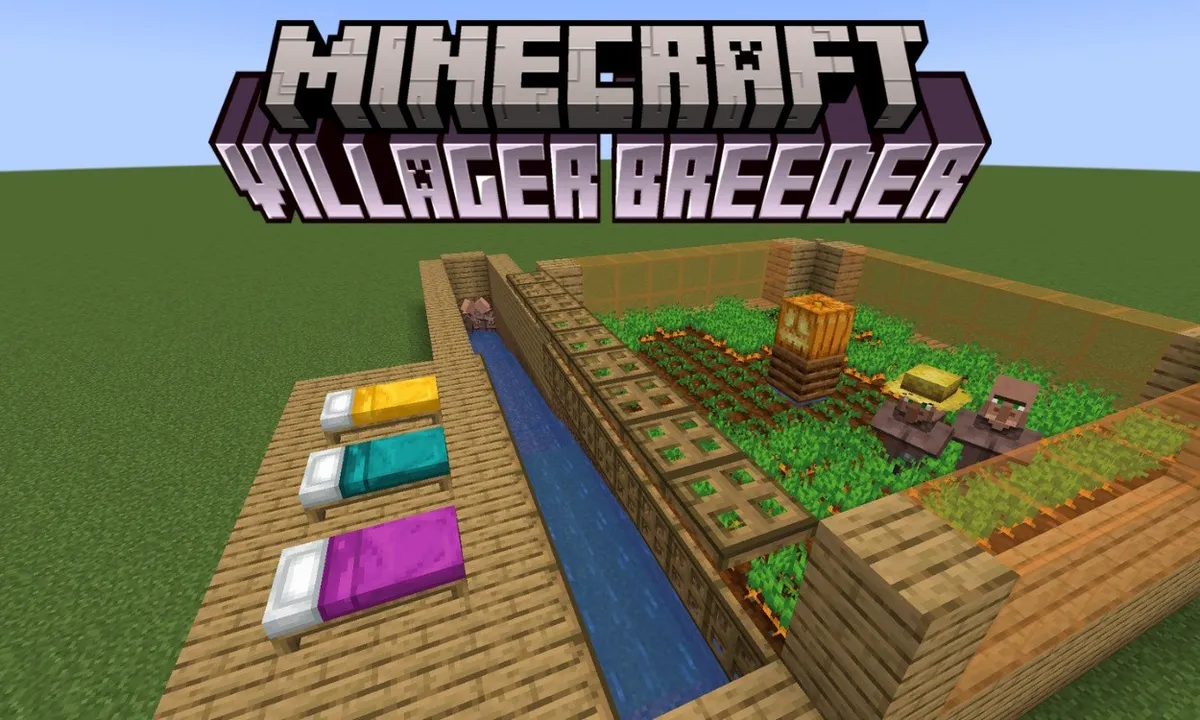
Beds are the village's population counter and its growth engine. Villagers will only breed when there are spare beds with clear space above them and the villagers themselves are well fed and willing. Two villagers plus an empty bed and enough bread, carrots or potatoes eventually equals a baby villager, which is how a two-person hamlet becomes a trading town.
Beds also define where villagers sleep, and a villager who cannot path to their bed becomes stressed and stops working efficiently. If you are building a trading hall, the simple rule is one bed per villager, placed where they can actually reach it — designs that ignore beds are the number one reason home-made villages stall.
How does reputation affect you?
Villagers keep a quiet score of your behaviour, often called reputation or popularity. Trading, curing zombie villagers and defending the village raise it; hitting or killing villagers and their golems tanks it. High reputation earns you discounts and, in Java Edition, occasional gifts from grateful villagers after a raid. Bad reputation means inflated prices and iron golems that treat you as a threat on sight.
Curing is the strongest reputation move in the game, and cured villagers offer deep, stacking discounts on their trades. It is the main reason experienced players deliberately zombify and cure their librarians rather than feeling guilty about it — the villagers, presumably, forgive quickly.
What happens during a village raid?
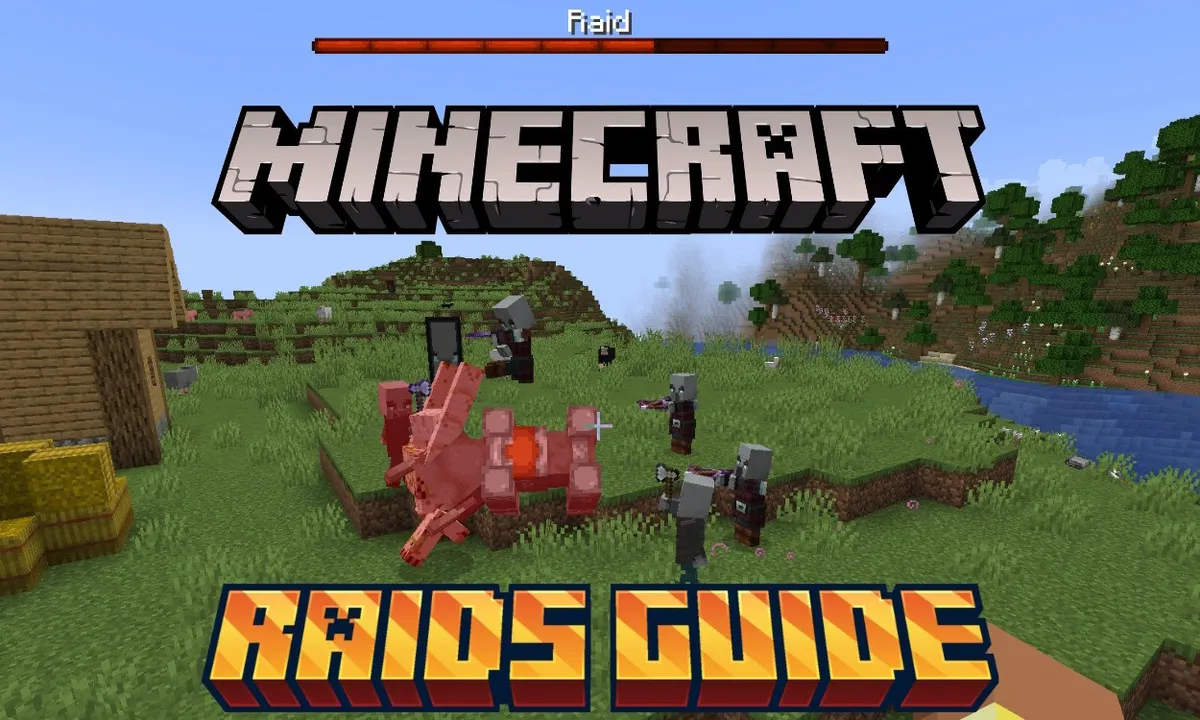
Enter a village carrying the Bad Omen effect — gained by killing a pillager captain — and a raid begins: waves of pillagers, vindicators, evokers, witches and ravagers attack in escalating rounds. Defend the village successfully and you earn the Hero of the Village effect, which cuts trading prices across the settlement for a while, on top of the loot the raiders drop, including emeralds, crossbows and ominous bottles.
Raids scale with difficulty and with the level of Bad Omen you brought in, so a first raid on a fresh world deserves respect. Walls, a bell to gather villagers indoors, and a defensible chokepoint make the difference between a heroic stand and watching your librarian get axed through a doorway.
When do iron golems protect the village?
Villages summon iron golems naturally once the population is large enough and villagers feel the need for protection. A golem patrols the settlement, politely offering poppies to villagers and impolitely launching hostile mobs — and careless players — into the air. Golems are neutral towards you until your reputation crumbles or you attack one in front of witnesses.
You can also build your own golem from four iron blocks and a carved pumpkin, which is handy for guarding bases and farms outside natural villages. Just remember that a village-spawned golem killed for its iron will be noticed, and the village's prices will quietly tell you so.
Frequently Asked Questions
How do I make villagers breed?
Give them spare beds with two blocks of air above the pillow end and plenty of food — bread, carrots, potatoes or beetroot work. Well-fed villagers with empty beds nearby will breed on their own during the day.
How do I change a villager's job?
An unemployed villager, or one you have never traded with, takes the profession of the nearest unclaimed job site block. Break the block and place a different one to change their trade; once traded with, the job is permanent.
Why are villager prices so high?
Prices rise when your reputation falls — usually from hitting or killing villagers or golems — and fall when you trade often, cure zombie villagers or win a raid. Curing gives the biggest and most lasting discounts.
How do I stop raids from starting?
Do not enter a village while you have the Bad Omen effect. Drink milk to clear it before going home, or wait for it to expire far away from any village.