Best Wordle Starting Words, According to the Data
SLATE, CRANE, TRACE or something vowel-heavy? What the letter-frequency data and WordleBot actually say about openers, and why rotating two or three beats marrying one.
SLATE, CRANE, TRACE or something vowel-heavy? What the letter-frequency data and WordleBot actually say about openers, and why rotating two or three beats marrying one.
There is no single perfect first word, but there is a clear top tier, and it is crowded. Words such as SLATE, CRANE, TRACE, CRATE and STARE come out near the top of almost every serious analysis, because each one tests five different, very common letters in sensible positions. The New York Times' own analysis tool, WordleBot, has rated several of them with its maximum skill score of 99 at various times, and the measured gap between the leaders is tiny: when the Bot switched its favourite once before, the Times put the difference at roughly one saved guess across four and a half years of daily play.
What makes one opening word better than another?
An opener has one job: to return as much information as possible, whatever the answer turns out to be. Four things decide how well it does that job. The first is letter frequency. In the game's curated answer list, E appears in close to half of all answers, A in well over a third, and R, O, T, L, I, S and N trail not far behind, while letters such as Q, J, Z and X barely feature at all. A first guess built from the top of that chart starts with a mathematical head start.
The second is coverage without repetition. Five different letters test five separate possibilities; a repeated letter spends two slots learning about one. The third is position. Letters have favourite homes: S is the most common opening letter by a wide margin, E is the most common final letter, and the second slot is vowel territory far more often than the third. A word that puts common letters where they most often sit earns more green tiles, not just yellows. The fourth is balance: most strong openers pair two vowels with three busy consonants rather than chasing vowels alone.
Which specific words do the numbers favour?
SLATE is the most defensible default. It covers S, L, A, T and E, places S in its favourite first slot and E in its favourite last slot, and it has repeatedly topped WordleBot's ratings. CRANE is its closest rival, swapping in C, R and N, all high-frequency consonants, and it served as WordleBot's preferred opener for a long stretch. TRACE and CRATE rearrange much the same furniture, testing R, A and E alongside T and C.
STARE and RAISE come at the problem from the vowel side, each testing A, E and I or A, E plus the R and S pairing. Pure information-theory studies, which score words by how evenly they split the remaining answers, have at times put the obscure SALET fractionally ahead of the familiar SLATE. It is the same five letters, and the practical difference is negligible for a human player. Pick a word you can remember at breakfast.
Why do vowel-heavy openers divide opinion?
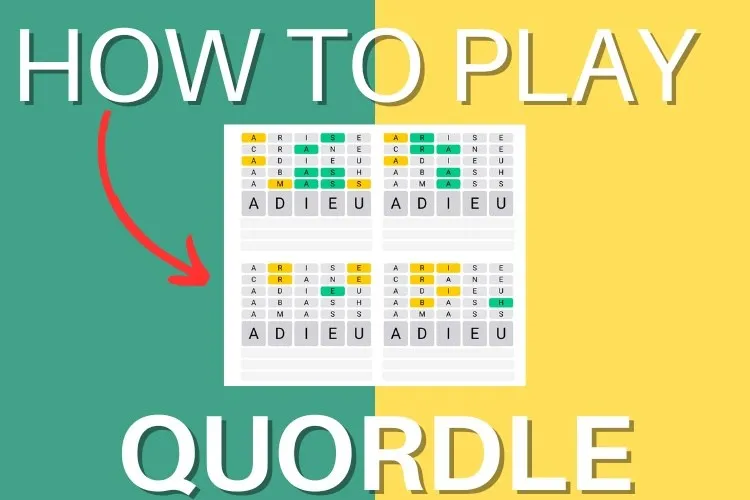
ADIEU and AUDIO are enormously popular because they test four of the five vowels in one stroke, which feels efficient. The data is cooler on them. Knowing which vowels are present still leaves the consonant skeleton of the word almost untouched, and consonants are what usually separate one candidate from another. Vowel-first words also tend to waste a slot on U, the least common of the five vowels in answers. That does not make ADIEU a bad word; plenty of fine players swear by it. It simply tends to leave more possible answers standing after guess one than SLATE or CRANE do, so the saving often has to be made up later.
Why rotate two or three openers instead of marrying one?
A single fixed opener has a hidden weakness: it always leaves the same letters untested. If your word never checks C, N or O early, then answers built on those letters start every game as a blind spot, and your second guess has to do double duty on the days the first comes back empty. Rotating between two or three complementary openers spreads that risk. Pair SLATE with CRONY, for instance, and across two guesses you can test ten different letters, including O and Y, which SLATE ignores.
Rotation also keeps you honest. Players with one sacred word develop the habit of forcing it even when yesterday's game, or a half-remembered spoiler, suggests it is a poor fit. A small stable of openers, chosen so their letters barely overlap, gives you breadth without dithering. And on the dullest level, it keeps the ritual fresh: part of Wordle's pleasure is the small daily decision, and surrendering it entirely to habit gives some of that pleasure away.
Frequently Asked Questions
What is the best Wordle starting word?
SLATE, CRANE, TRACE and CRATE all sit at the top of data-driven rankings and have shared WordleBot's maximum 99 skill score. The measured gap between them is tiny, so any of them makes a sound default.
Is ADIEU actually a good opener?
It tests four vowels, which feels efficient, but it spends a slot on the uncommon U and barely touches the consonants that separate one answer from another. Analyses generally rank balanced words such as SLATE above it.
Which letters start and end the most answers?
S is the most common first letter in Wordle answers by a clear margin, followed by C. The most common final letter is E, with Y a distant second.
Should I use the same starting word every day?
Yes. Rotating between openers with little letter overlap spreads your blind spots, so different letter families get tested early on different days instead of the same letters always being checked late.