How to Play Wordle: The Rules in Plain English
Six guesses, five letters and three colours. The complete Wordle rules explained simply, from your first guess to streaks, statistics and what the tiles really mean.
Six guesses, five letters and three colours. The complete Wordle rules explained simply, from your first guess to streaks, statistics and what the tiles really mean.
Wordle is a daily word puzzle in which you have six guesses to find one hidden five-letter word. Every player in the world gets the same answer on the same day, each guess must be a real word, and after every guess the tiles change colour to show how close you were. That is the whole game, and you can learn it in about a minute.
Where do you play Wordle, and what do you need to start?
You play the official game free of charge on The New York Times Games site or in the NYT Games app. There is no timer, no download is required in a browser, and you do not need a paid subscription for the daily puzzle. A fresh puzzle appears at midnight in your own time zone, which is why friends in other countries sometimes seem to be playing tomorrow's game today.
The screen is deliberately bare: a grid of six rows with five empty boxes in each row, and a keyboard underneath. Type any valid five-letter English word into the first row and press Enter. Gibberish is rejected, so every guess has to come from the game's dictionary. That restriction matters more than it first appears, because it means you cannot simply rattle off letter combinations to test the alphabet. Each row has to be a genuine word, even when what you really want is information.
What do the three colours actually mean?
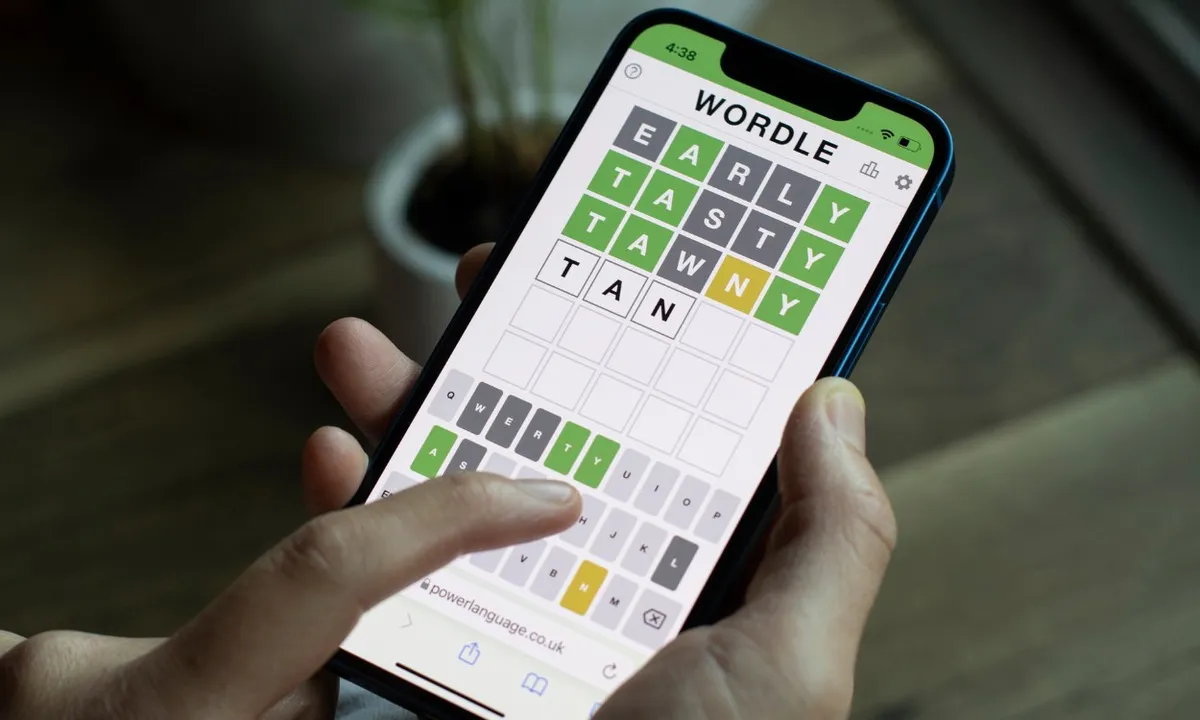
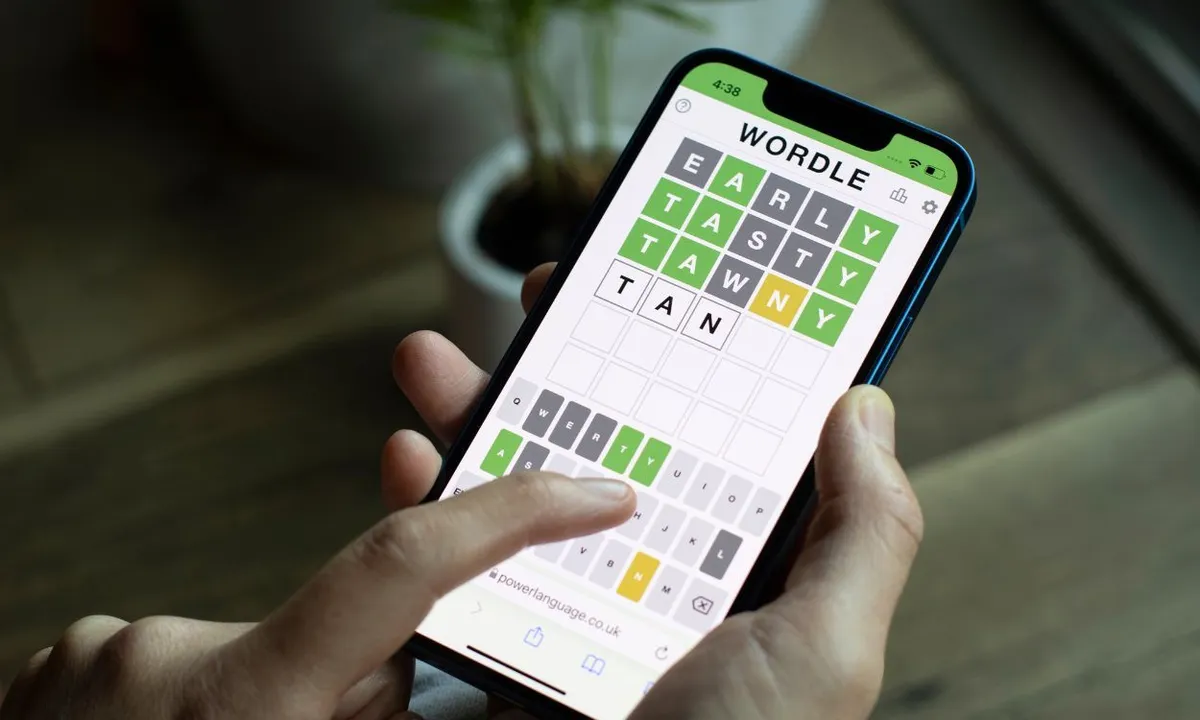
Green means the letter is in the answer and in exactly the right position. Once a tile turns green, that letter belongs in that slot, and sensible play keeps it there for the rest of the game. Yellow means the letter is in the answer but not in the position you tried, so it needs to move somewhere else. Grey means the letter does not appear in the answer at all, with one important catch explained below.
The catch concerns repeated letters. If you guess a word containing a letter twice and only one tile lights up, the answer normally contains that letter only once, and the second copy is effectively grey. The reverse catches people out too: a grey tile does not always prove a letter is absent if you played it more than once in the same guess and another copy turned green or yellow. Read the feedback letter by letter, occurrence by occurrence, rather than treating each letter as simply in or out.
How does a typical game unfold?
Most players open with a word packed with common letters, then treat the second and third guesses as detective work. Greens get locked in place. Yellows get shuffled into new positions. Grey letters get dropped. By guess three or four, the field of possible answers has usually shrunk from more than two thousand to a handful, and the endgame becomes a matter of choosing between a few similar-looking candidates rather than searching the whole dictionary.
If you find the word, all five tiles turn green and the puzzle ends there, whether that was guess two or guess six. If the sixth guess is still wrong, the game shows you the answer and the day is lost. There is no seventh row and no extra life, which is precisely why the final guesses feel tense when several answers still fit the clues.
What do streaks and statistics record?
After each game, Wordle shows your statistics: how many puzzles you have played, your win percentage, your current streak of consecutive days solved, your best ever streak, and a distribution chart showing how often you finish in one, two, three, four, five or six guesses. A failed puzzle resets the current streak to zero, which is why long streaks become oddly precious. Miss a day entirely and the streak breaks too, even though you never lost.
The share button copies a small grid of coloured squares that shows your pattern of guesses without revealing the word itself. That spoiler-free grid was a large part of why the game spread so quickly on social media: it let people compare performances at a glance while keeping the answer secret for anyone who had not played yet.
Who created Wordle?
Wordle was built by Josh Wardle, a Welsh software engineer living in Brooklyn, who first made it as a game for his partner, Palak Shah, and released it publicly in October 2021. The name is a pun on his surname. It grew from a handful of players to millions within weeks, and on 31 January 2022 The New York Times bought it for a sum reported as being in the low seven figures. The Times has run it ever since, with an editor overseeing the answer list, and the core rules have not changed: one word, five letters, six guesses, once a day.
Frequently Asked Questions
How many guesses do you get in Wordle?
Six. You have six rows to find the five-letter answer, and if the sixth guess is wrong the game reveals the word and your current streak ends.
Is Wordle free to play?
Yes. The daily puzzle is free on The New York Times Games site and app, with no subscription needed. A new puzzle appears at midnight in your local time zone.
What does a grey tile mean when a letter appears twice?
If you played a letter twice and only one copy lit up green or yellow, the answer usually contains that letter once, so the grey copy is telling you there is no second one.
Who invented Wordle?
Welsh software engineer Josh Wardle created it for his partner and released it publicly in October 2021. The New York Times bought the game in January 2022 for a reported low seven-figure sum.