Why Puzzle Games Became Everyone's Favourite Coffee Break
Five minutes, one solved puzzle, zero stress. The quiet rise of the puzzle game as gaming's most democratic genre.
Five minutes, one solved puzzle, zero stress. The quiet rise of the puzzle game as gaming's most democratic genre.
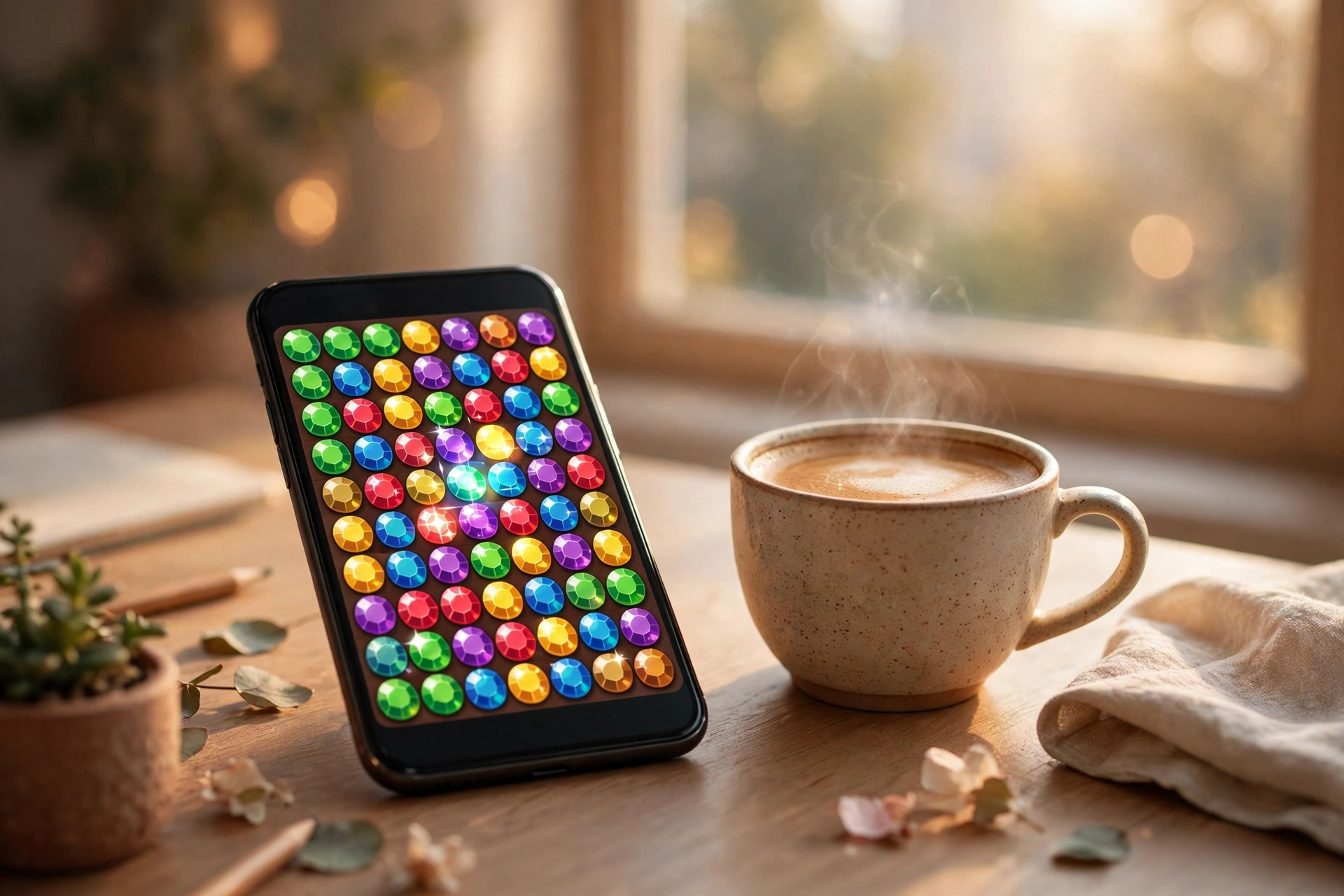
There is a particular kind of game that asks for nothing: no 90-minute session, no ranked ladder anxiety, no 40GB update. It offers one neat problem and the small, complete satisfaction of solving it. Puzzle games have always existed, but somewhere in the last few years they became gaming's default coffee break — and it is worth asking why they work so well.
A complete loop in five minutes
Most games are marathons of delayed reward. A good puzzle is the opposite: a full arc — problem, struggle, insight, triumph — compressed into minutes. That 'one more go' feeling is not an accident; it is the genre's entire design. Word games, block puzzlers, logic grids and physics toys all run on the same engine of small, honest payoffs.
They respect your brain and your time
Puzzle games rarely cheat. The rules are visible, the failure is yours, and the solution was there all along. That fairness is relaxing in a way live-service grinds are not. And because sessions end when you say they end, puzzles fit the gaps in a day — a commute, a queue, a kettle — rather than competing with your evening.
The social layer nobody talks about
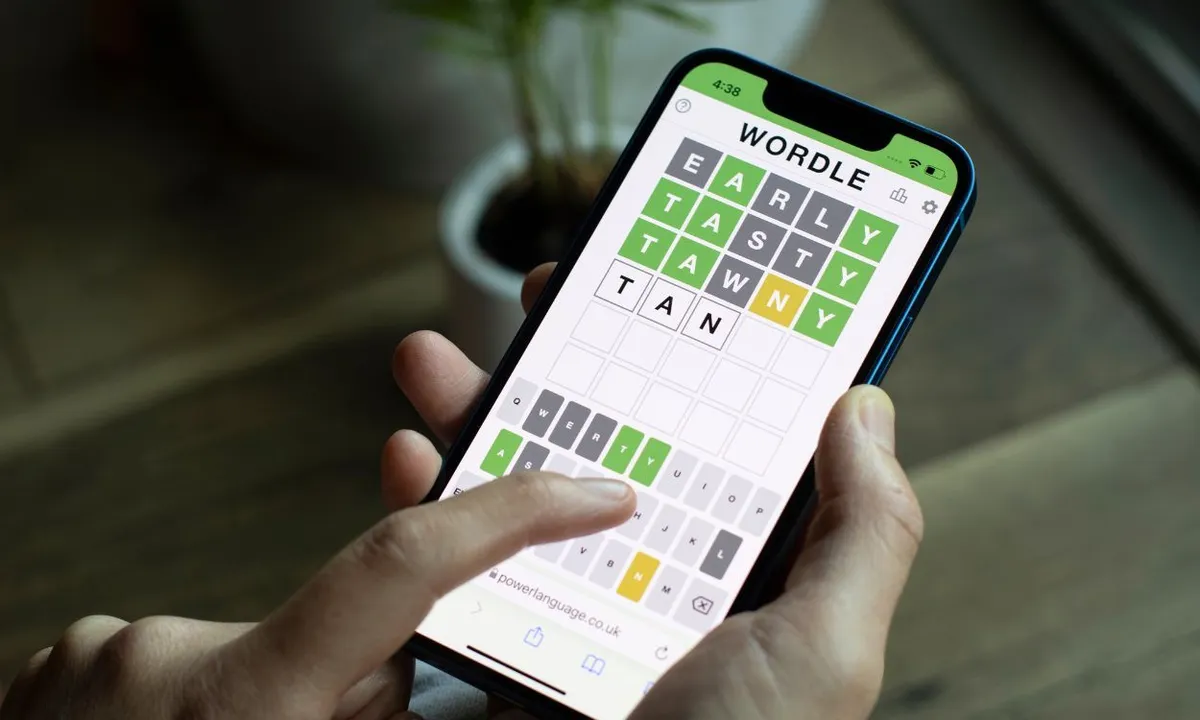
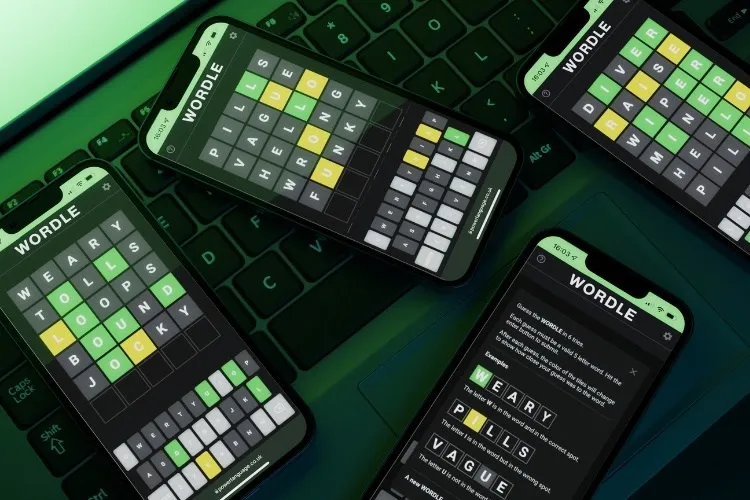
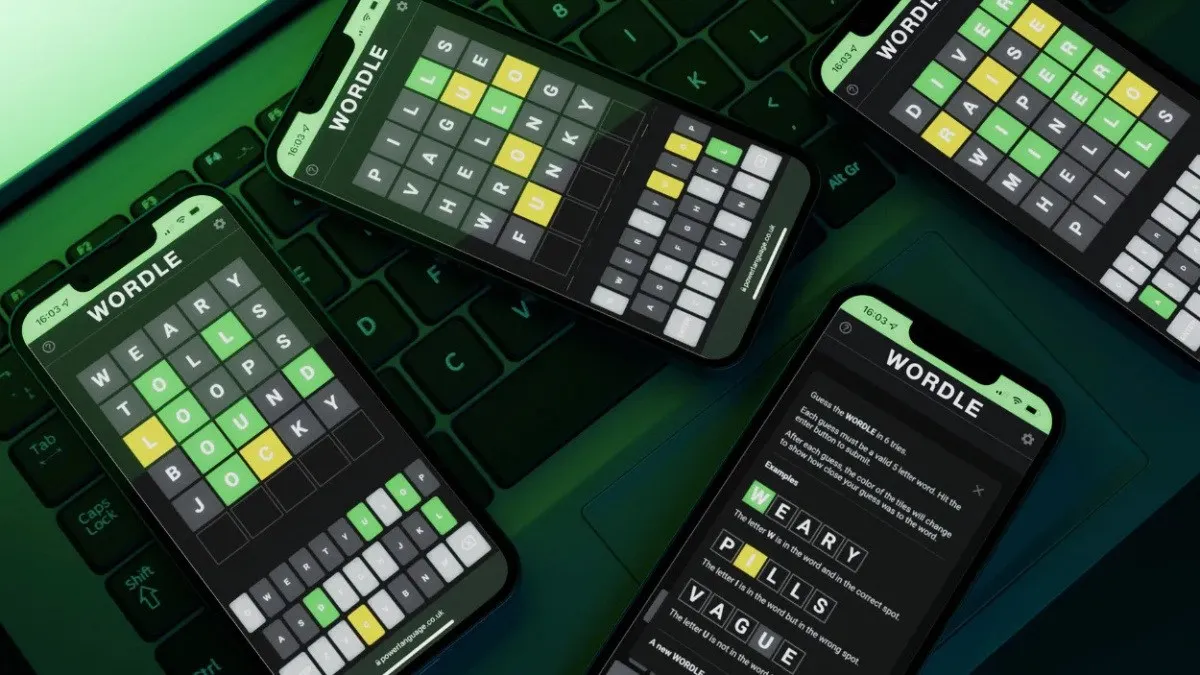
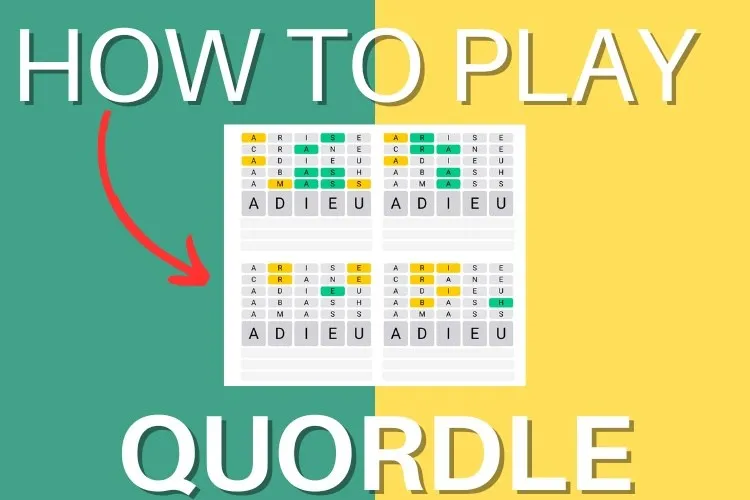
Half the fun of the daily-puzzle era is comparison: the shared grid of green squares, the screenshot of a finished crossword, the group chat arguing about today's connections. Puzzles became a low-key social ritual, one of the few gaming habits people of every age genuinely share.
Our puzzle coverage starts here because the genre deserves more than a footnote. Expect guides, daily-puzzle help and hidden gems in this section — bring your own coffee.
Frequently Asked Questions
Why have puzzle games become so popular?
They fit the gaps in a day: sessions of two or three minutes, no tutorials to memorise, and the small satisfaction of a solved board — perfect coffee-break gaming.
What kinds of games does the feature cover?
Match-3, logic puzzles, word games and the daily-challenge format that turned one puzzle a day into a shared habit.
Are puzzle games good for your brain?
They keep pattern-spotting and short-term memory busy, which is a pleasant workout — the feature is careful not to promise more than that.